
Uncategorized
Vehicle owners are always on the lookout for ways to extend the life of their cars and keep them looking and running like new. One key method of achieving this is by protecting the undercarriage of the vehicle from the elements. In Canada, harsh winters and road salt can rust your car. This is where undercoating comes into play.
1. Understanding Undercoating: Why It’s Necessary
The underside of your vehicle is exposed to a range of damaging elements—water, road salt, dirt, and gravel—that can lead to rust and corrosion. This can compromise not only the appearance of your car but also its structural integrity. Undercoating protects the vehicle’s underbody from harmful elements. It prevents rust on essential metal parts.
Rust isn’t just cosmetic. It can weaken your vehicle’s structure. This may cause dangerous situations and costly repairs. This is particularly relevant in areas with severe winters, where road salt accelerates the rusting process. Regular undercoating ensures that your vehicle is shielded from these damaging effects.
Also, undercoating reduces road noise and vibrations. It improves your driving experience. Investing in undercoating helps preserve your car’s resale value. It also keeps it running smoothly, whether it’s new or old.
2. Traditional Undercoating: Benefits and Limitations
Traditional undercoating has been a trusted method for protecting vehicles for many years. It typically involves using a rubberized or asphalt-based substance that is sprayed onto the underside of the car. It forms a thick, protective layer. This prevents rust and reduces damage from gravel, stones, and debris that may hit the vehicle’s underbody.
Benefits of Traditional Undercoating
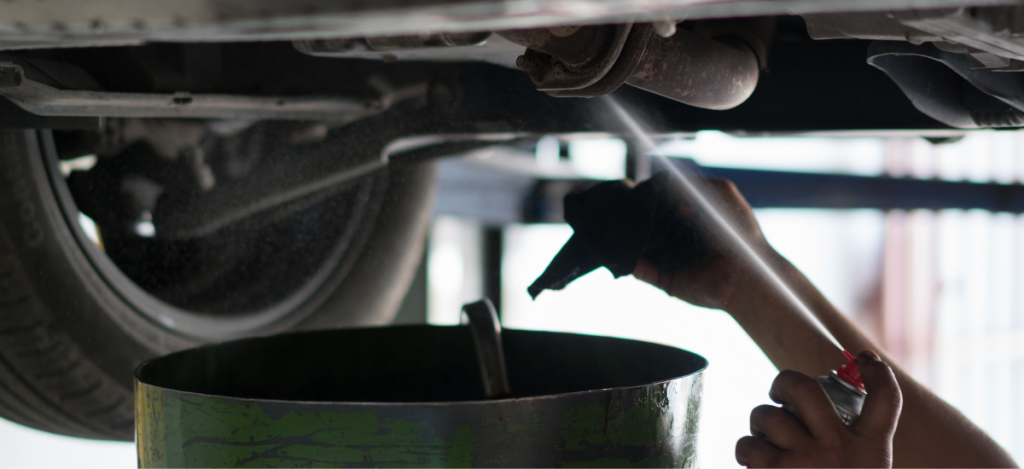
One of the primary undercoating benefits is its durability. Traditional undercoating creates a tough, durable layer. It resists physical damage, making it ideal for vehicles on rough or off-road roads. This robust layer protects against debris and stones from the road. It prevents paint and metal chips that could eventually rust.
Another advantage of traditional undercoating is its affordability. Compared to some newer methods, traditional undercoating is cheaper, so it’s popular with vehicle owners seeking affordable protection.
Limitations of Traditional Undercoating
However, traditional undercoating comes with some limitations. The thick application needed for protection can add weight to the vehicle. While this may not be an issue for all vehicles, it could reduce fuel efficiency slightly, especially in smaller cars.
Also, if traditional undercoating is not applied properly, it can trap moisture against the vehicle’s metal. This can speed up rust formation instead of preventing it. It also has a longer drying time, which means your vehicle may need to stay off the road for a few days after the application.
Traditional undercoating is not as flexible as other newer options, making it harder to apply to tight or complex areas. For some vehicle owners, these limitations prompt them to look for more advanced solutions like Waxoyl.
3. Waxoyl: A Modern Solution for Vehicle Protection
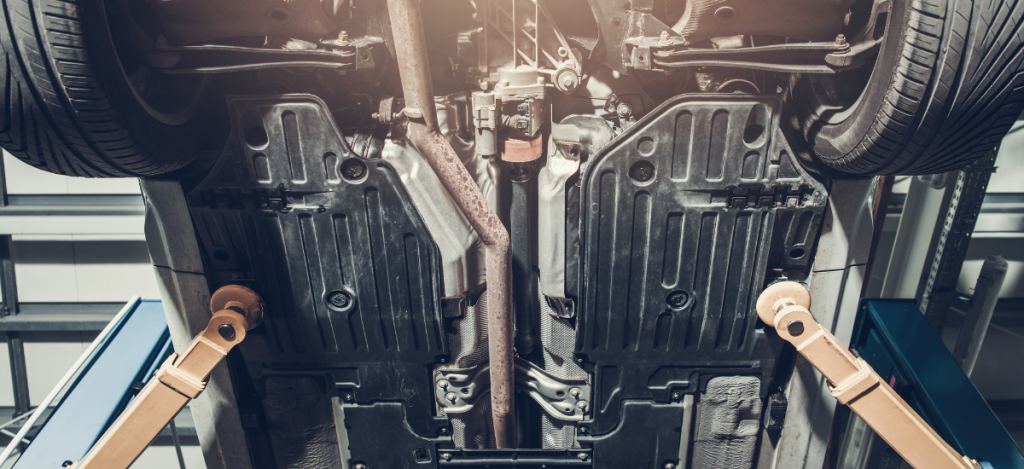
Waxoyl is a modern vehicle protection method. It is popular for its effectiveness and ease of use. Unlike traditional undercoating, Waxoyl is a wax-based solution. It forms a thin, flexible layer over the vehicle’s undercarriage. It is specifically designed to repel water and prevent rust from forming, even in the most vulnerable areas of the vehicle.
Advantages of Waxoyl
One of Waxoyl’s biggest advantages is its lightweight nature. Because it is a thin, wax-based coating, it doesn’t add significant weight to the vehicle, which means no reduction in fuel efficiency. Additionally, it’s easier to apply in hard-to-reach places. Waxoyl penetrates small crevices so it ensures complete protection from rust and moisture.
Another benefit of Waxoyl is its ability to act as a water-repellent. The waxy substance forms a hydrophobic barrier on the surface of the metal, preventing water from adhering and rust from forming. Unlike traditional undercoating, Waxoyl remains flexible even in cold weather, ensuring that it won’t crack or peel over time.
Waxoyl also offers the advantage of easy reapplication. Because it does not require the thick, heavy layers associated with traditional undercoating, it can be reapplied as needed without extensive preparation or drying time.
Environmental and Health Considerations
Waxoyl is considered to be more environmentally friendly than traditional undercoating options. Many traditional undercoatings contain solvents and chemicals. They can harm the environment during application and drying. Waxoyl, on the other hand, contains fewer harmful chemicals and is safer for both the environment and those applying it.
5. Choosing the Right Vehicle Protection Option
Choosing between Waxoyl and traditional undercoating depends on a few factors. These include your vehicle type, driving conditions, and budget.
For drivers in harsh winters, road salt, or off-roading, traditional undercoating may offer the extra durability needed for rough conditions. For those wanting a lightweight, flexible, and eco-friendly option, Waxoyl is best. It prevents rust and is easy to use.
Consider the long-term costs and benefits of each option. Traditional undercoating is cheaper at first. But, Waxoyl may save you money long-term. It’s easier to maintain and reapply.
Lastly, the climate in which you drive should be a key consideration. Vehicles in extreme cold or high humidity may benefit more from Waxoyl. It stays flexible and moisture-resistant in harsh conditions.
Why Proper Vehicle Protection Matters
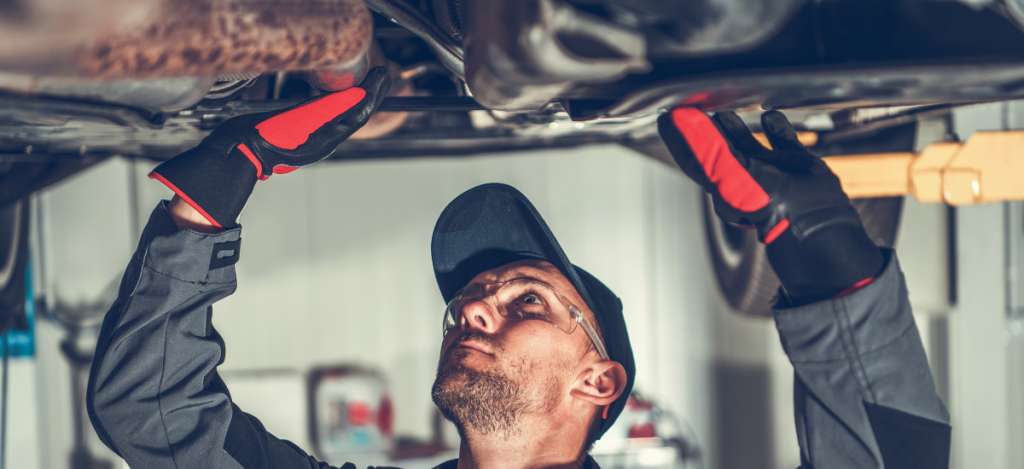
Choosing the right vehicle protection is crucial. It ensures your vehicle’s longevity and performance. Both Waxoyl and traditional undercoating prevent rust. But, they differ in durability, flexibility, and environmental impact.
Traditional undercoating protects well against road debris. However, Waxoyl is a lightweight, eco-friendly alternative. It excels in water repellency and is easy to apply.
To protect your vehicle from rust and extend its life, choose the best undercoating for your driving conditions and budget. Contact Garage EV today to schedule an inspection or discuss which solution is right for your vehicle.